Neonatal enteritis is one of the most common causes of mortalities in calves up to one month of age and it is generally caused by the interaction of a number of infectious enteropathogens and predisposing factors. These section shows the most common infectious agents diagnosed in calves under one month.
Table 8.1: Bovine Neonatal Enteritis Organisms
| Organism | Negative | Positive | Percentage |
|---|
| Rotavirus |
1276 |
602 |
32.1 |
| Cryptosporidia |
1501 |
363 |
19.5 |
| Campylobacter Jejuni |
1565 |
183 |
10.5 |
| Giardia |
923 |
66 |
6.7 |
| E.Coli K99 |
1248 |
13 |
1.0 |
| Salmonella Culture |
1864 |
8 |
0.4 |
| Coronavirus |
1856 |
6 |
0.3 |
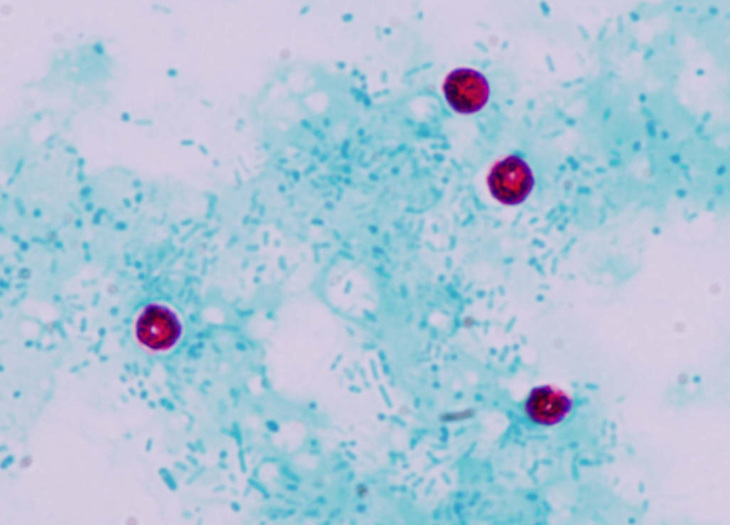
Figure 8.1: Cryptosporidial oocysts in a faecal smear. Photo:Cosme Sánchez-Miguel
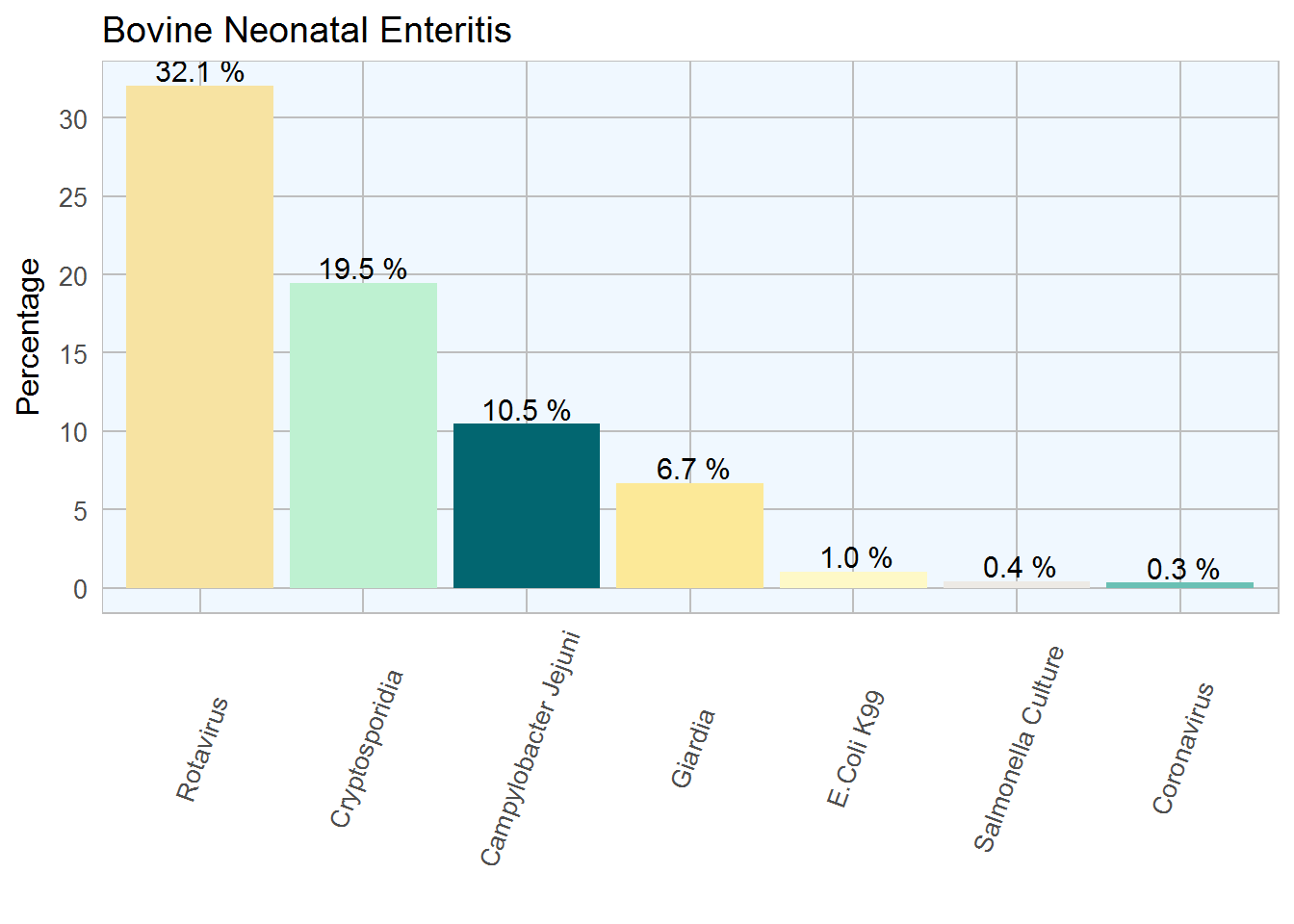
Figure 8.2: The relative frequency of enteropathogenic agents identified in calf faecal samples tested by DAFM laboratories in 2017
The significance of Giardia and Campylobacter jejuni as a cause of calf enteritis is doubtful. Both are a common cause of gastroenteritis in humans and they are routinely surveyed in neonatal faecal samples.